Self-guided walks · Venice, Antwerp, Brussels and Bruges
Every route tells a story.
Walks that explain what you are looking at.
Strevvo suggests routes that link the places worth seeing in a city, and tells you what to notice on the way. You choose the route, the pace and the stops.
Explore Venice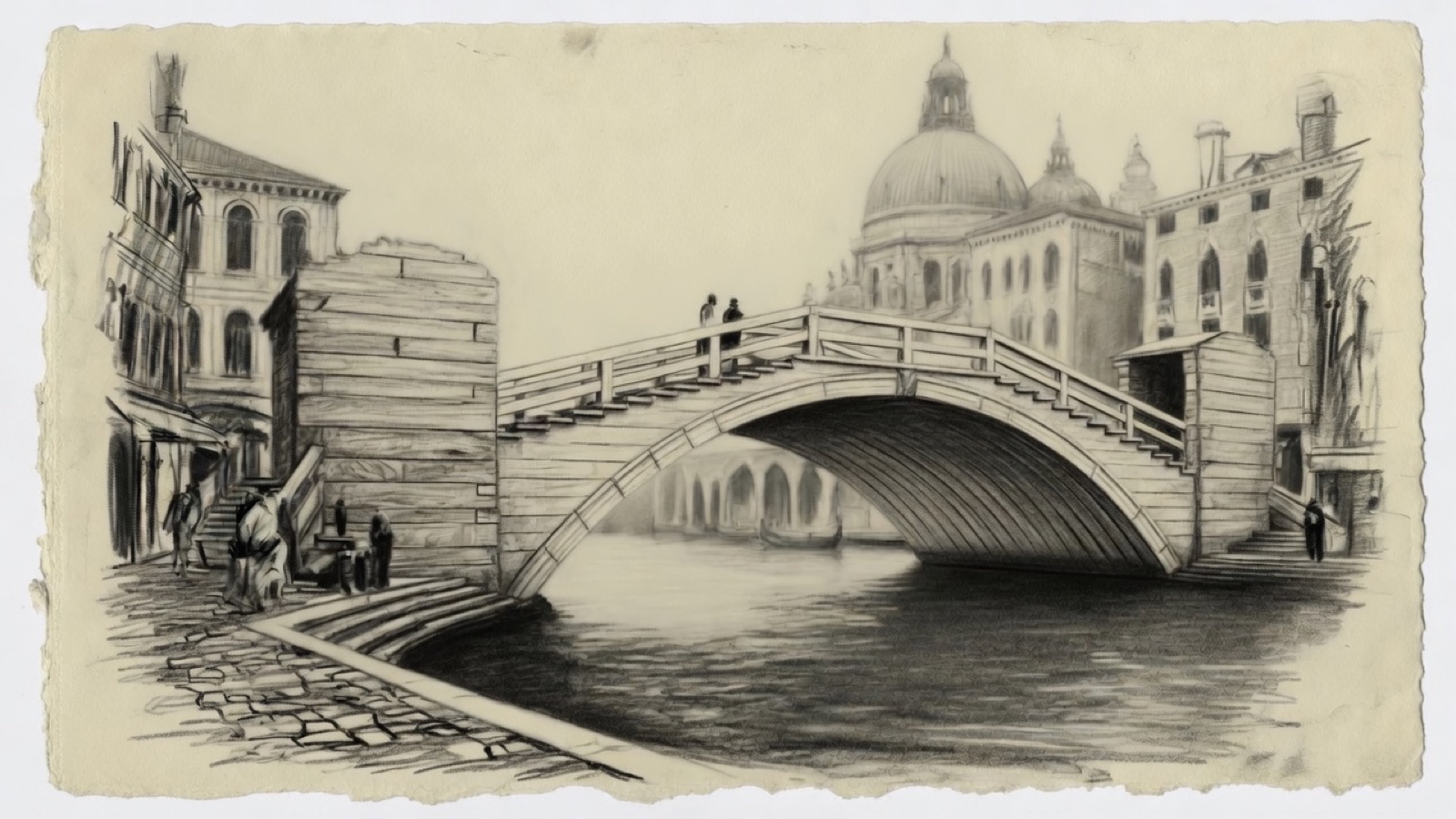
Start here
What would you like to see?
Answers come from what is published on this site. Please don’t type personal details: they are removed before sending.
City 01
Venice
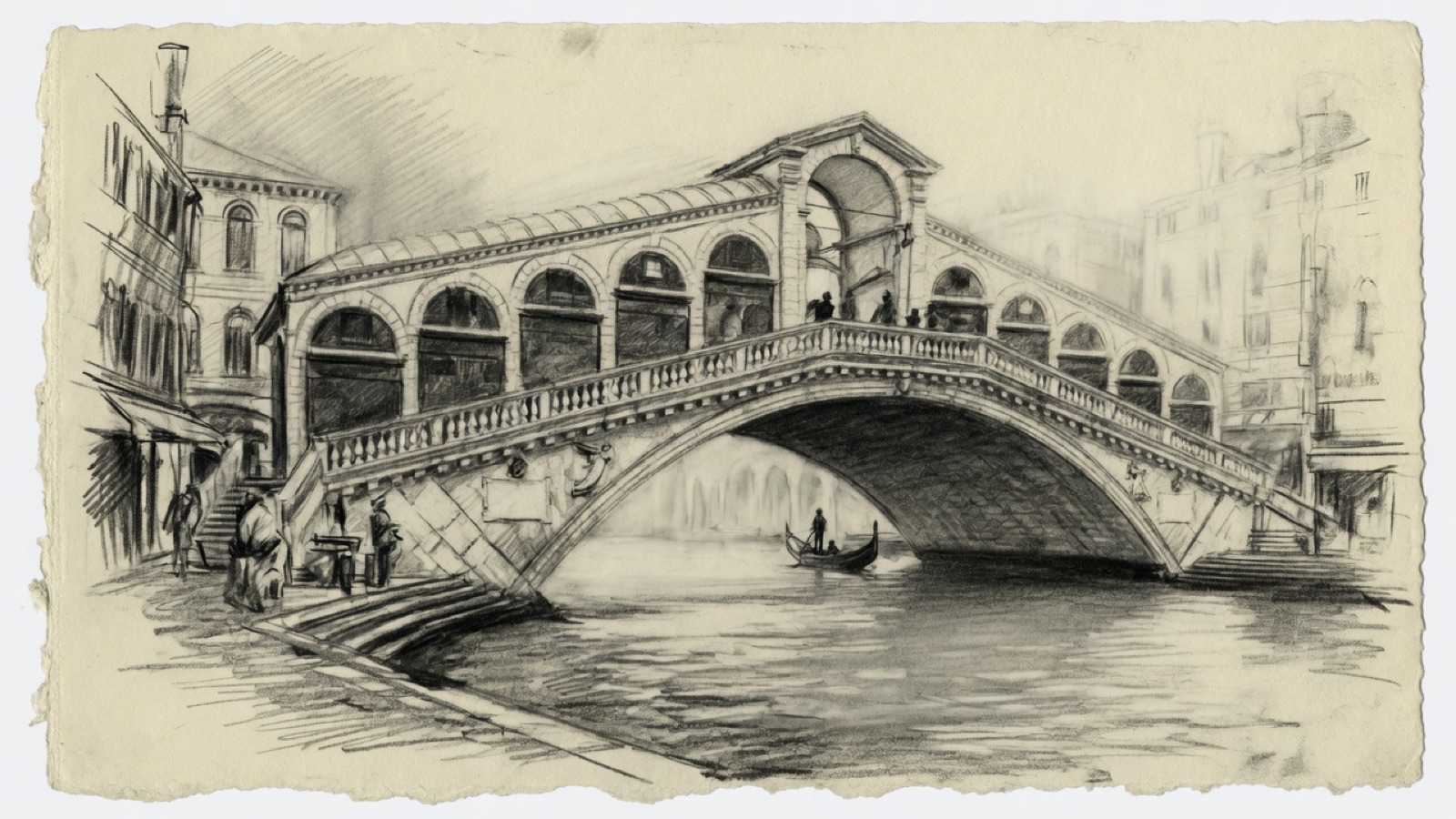
A city on foot and by water. There is a lot to see; it helps to know where to look.
Four routes to begin with: the market and the bridge at Rialto, Titian and Tintoretto in San Polo, the squares and the long quay of Dorsoduro, and a short walk across the Lido to the sea.
City 02
Antwerp
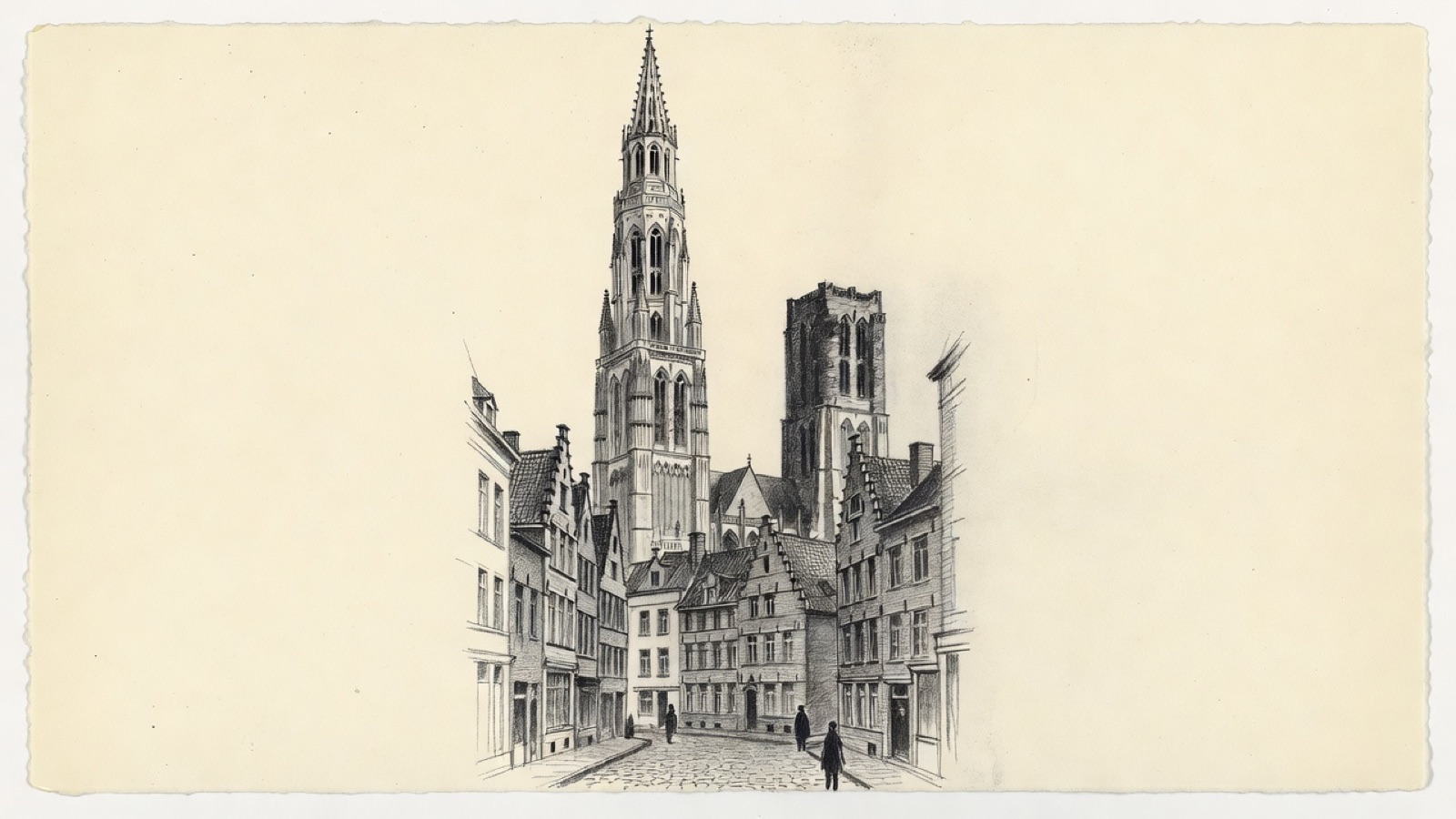
A port city on the Scheldt that fits into a few walks.
Five routes to begin with: the churches and trades of the old town, from St James’ Church to the river; the Stadspark and the house Rubens rebuilt for himself; the courts and museums of the Zuid; the warehouse archive and the MAS among the docks of Het Eilandje; and the opera, the station of 1905 and the Zoo beside it.
City 03
Brussels
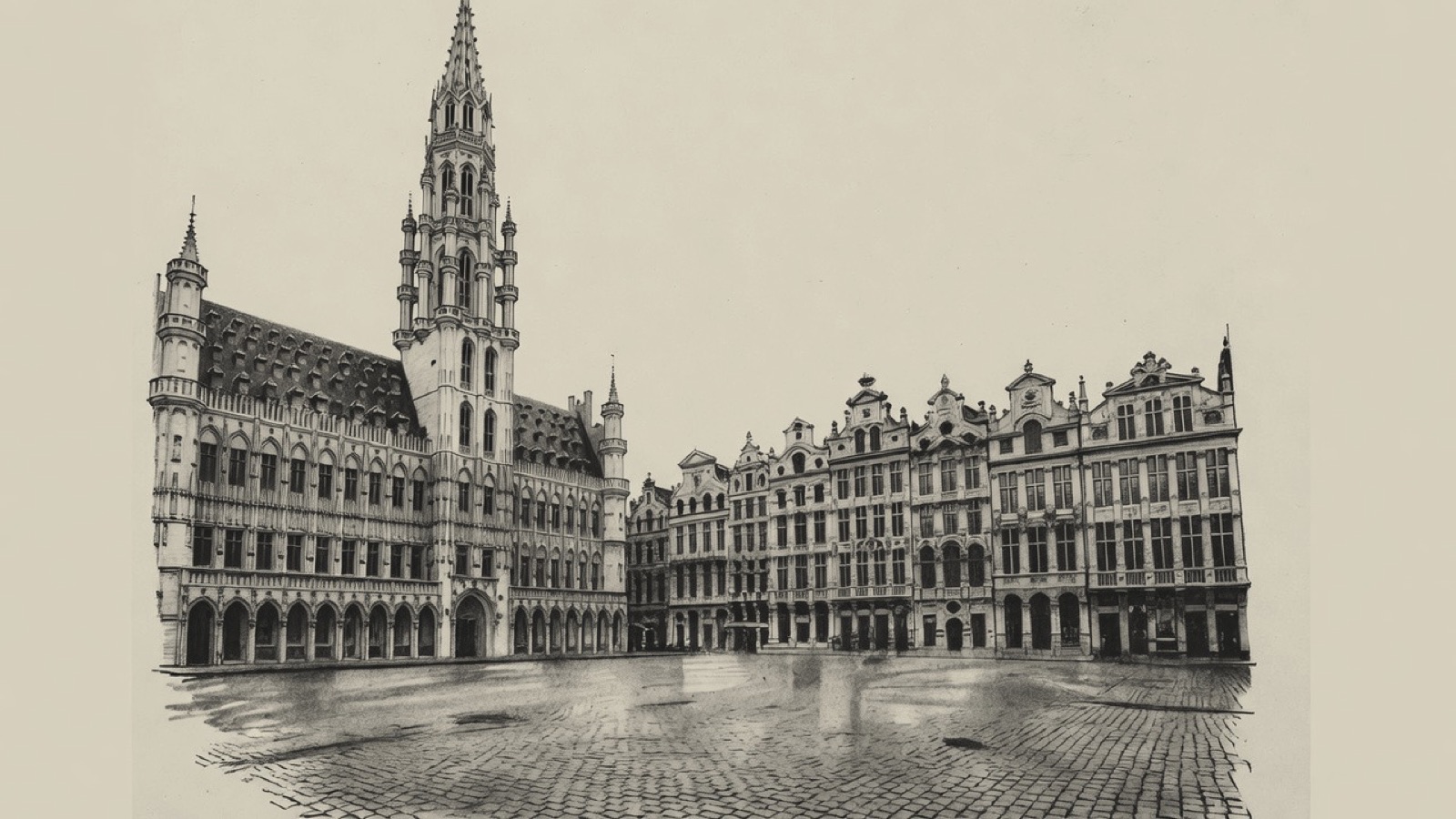
A capital on two levels, with its squares below and its palaces and museums on the hill.
Four routes to begin with: the lower town from the Botanical Garden by the cathedral and the Saint-Hubert Galleries to the Grand-Place and Manneken-Pis; the upper town from the Palace of Justice by the Sablon and the Mont des Arts to Brussels Park; the park, arcade and museums of the Cinquantenaire; and the European quarter from the Museum of Natural Sciences through Leopold Park to Place du Luxembourg.
City 04
Bruges
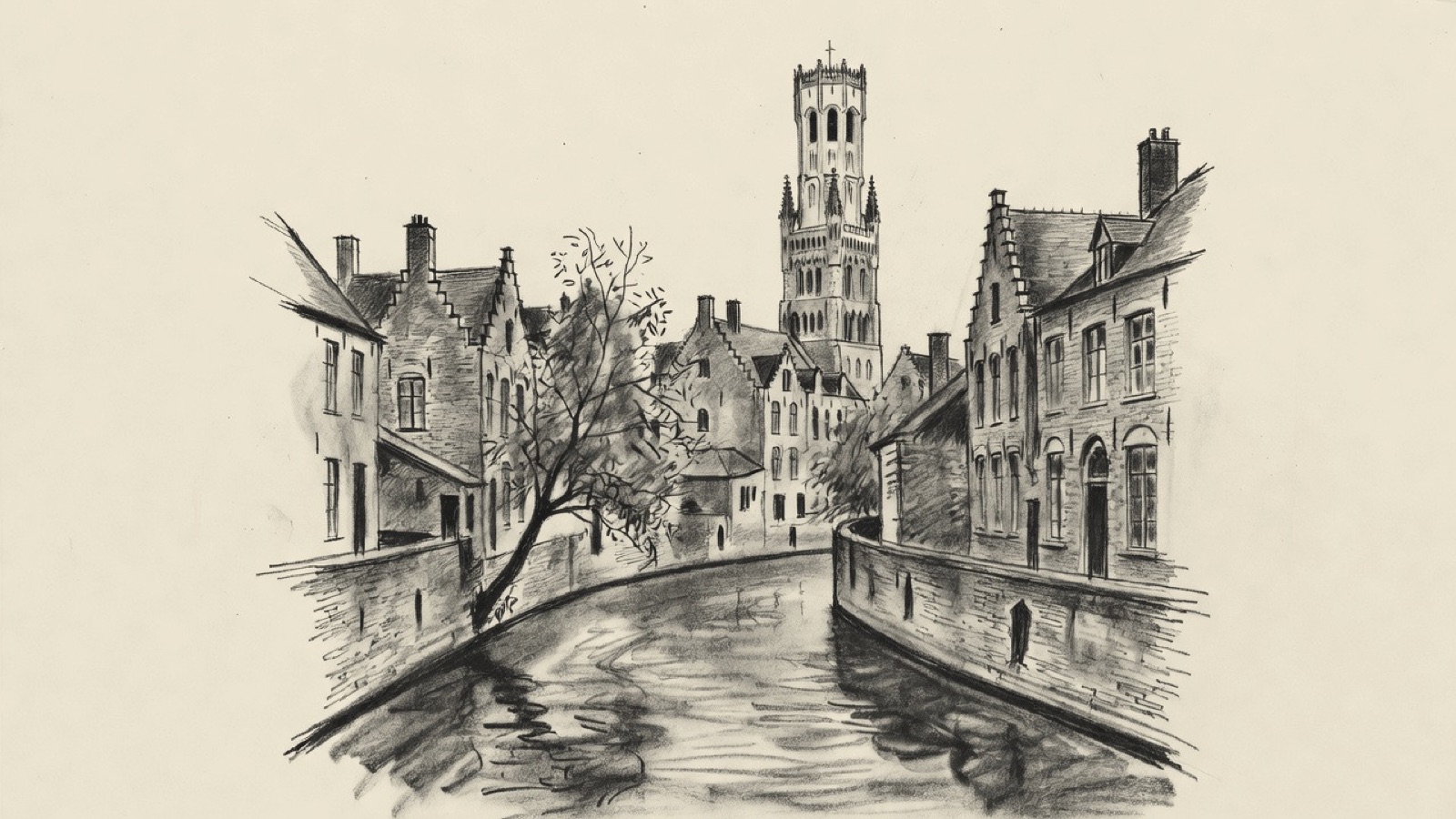
A medieval trading city on its canals, small enough to cross on foot.
Five routes to begin with: the south, from the Gentpoort past the Beguinage bridge to the Church of Our Lady and St Salvator’s Cathedral; the centre, with the Markt and its Belfry, the Burg and the Fish Market; the merchants’ quarter around Jan van Eyckplein and the Poortersloge; the west, from the Concertgebouw and ’t Zand to Sint-Jan and the Smedenpoort; and the east, through Sint-Anna to the Jerusalem Chapel, the lace centre and the windmills on the rampart.
Your pace, your stops
We don’t give walking times: everyone moves through a city at a different pace. A route is a suggestion that links places worth seeing. You decide where to stop and what you can take on today.
How the routes are made
The routes are researched from published sources and illustrated in charcoal. The walking tracks were calculated on a map and are waiting for an on-foot check. Read how the guide is prepared.